
Smart Money Moves:5 Simple Steps to Start Budgeting Today
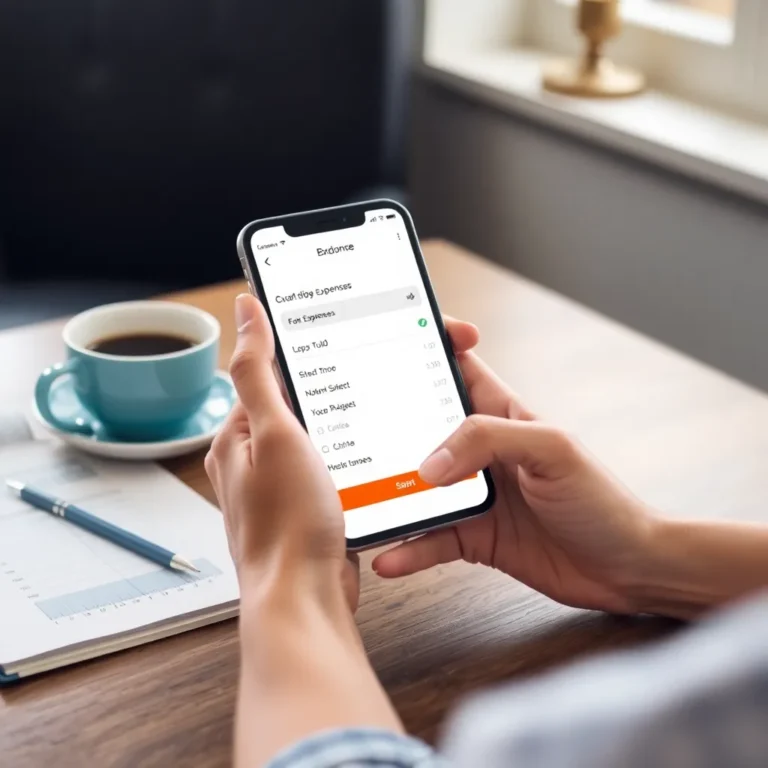
Creating a budget begins with understanding your income and expenses. Start by tracking every dollar that comes in and goes out each month, including rent, utilities, groceries, and even small purchases like coffee or streaming subscriptions. Tools like spreadsheets or budgeting apps can simplify this process, giving you a clear picture of your financial habits. According to Nasdaq, awareness is the foundation of effective budgeting because it reveals where you might be overspending.
Once you’ve mapped your spending, categorize your expenses into needs, wants, and savings. Aim to follow a balanced approach such as the50/30/20 rule—allocating50% of income to needs,30% to wants, and20% to savings and debt repayment. This framework, popularized by Senator Elizabeth Warren and explained in detail by Investopedia, offers flexibility while promoting financial discipline regardless of income level.
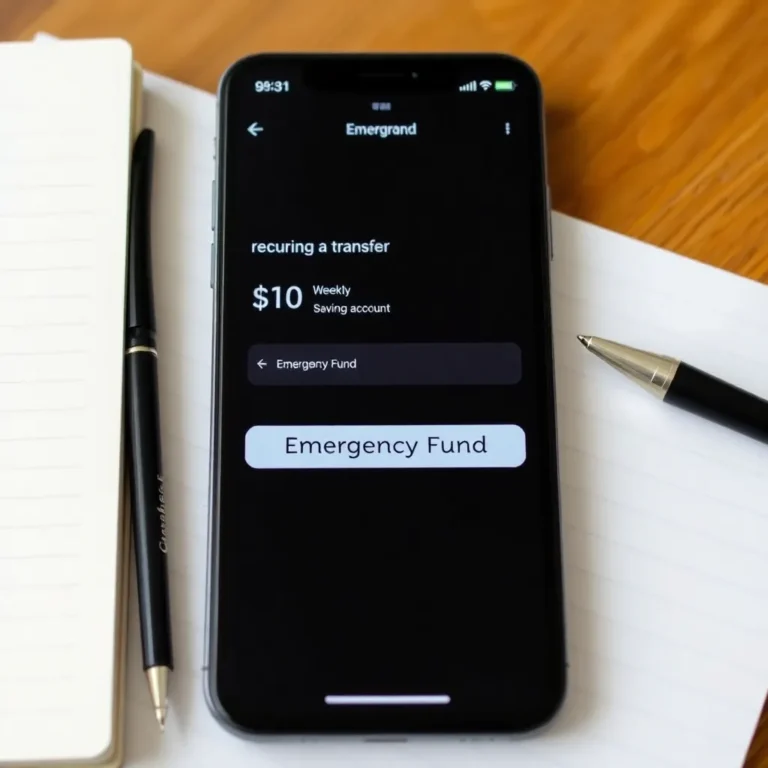
Automating your finances can significantly improve your chances of sticking to a budget. Set up automatic transfers to savings accounts and schedule bill payments to avoid late fees. Automation reduces the temptation to spend money intended for bills or future goals. The Federal Trade Commission highlights automation as a key strategy for building consistent financial habits on their consumer advice page.
Finally, review and adjust your budget regularly—ideally every month. Life changes, and so should your budget. Whether you get a raise, face unexpected expenses, or shift financial goals, staying flexible ensures your budget remains realistic and effective. Regular check-ins help you stay motivated and accountable, turning short-term planning into long-term financial wellness.
Step1: Track Your Income and Expenses
Memahami ke mana uang Anda pergi adalah langkah pertama dalam membuat anggaran yang efektif. Mulailah dengan mencatat semua sumber pendapatan bulanan, seperti gaji, penghasilan sampingan, atau pendapatan pasif. Dengan mengetahui berapa banyak uang yang masuk setiap bulan, Anda bisa membuat dasar yang kuat untuk merencanakan keuangan secara lebih realistis. Tanpa pemahaman ini, sulit untuk menentukan batas pengeluaran atau mengidentifikasi area yang bisa dikurangi.
Selain mencatat pendapatan, penting juga untuk melacak setiap pengeluaran, sekecil apa pun itu. Ini termasuk pengeluaran tetap seperti sewa atau cicilan, serta pengeluaran variabel seperti belanja bahan makanan, transportasi, dan bahkan pembelian kopi harian. Banyak orang terkejut melihat jumlah yang terbuang pada langganan yang tidak terpakai atau pembelian impulsif. Menggunakan buku catatan, spreadsheet, atau aplikasi pengelola keuangan dapat mempermudah proses ini dan membantu Anda melihat pola pengeluaran secara keseluruhan.
Platform seperti NerdWallet menawarkan alat dan panduan gratis untuk membantu Anda memulai pelacakan keuangan dengan mudah. Beberapa aplikasi populer seperti Mint atau YNAB (You Need A Budget) juga bisa menyinkronkan rekening bank secara otomatis untuk mencatat transaksi secara real-time. Dengan teknologi ini, Anda bisa mendapatkan gambaran yang lebih akurat dan up-to-date tentang arus keuangan pribadi Anda.
Dengan data yang lengkap, Anda dapat mulai mengenali kebiasaan keuangan yang perlu diperbaiki, seperti terlalu sering makan di luar atau berlangganan layanan yang jarang digunakan. Langkah ini tidak hanya meningkatkan kesadaran finansial, tetapi juga memberi kendali lebih besar atas keputusan keuangan Anda. Seperti yang disarankan oleh Investopedia, pengeluaran yang tercatat dengan baik adalah fondasi dari setiap rencana keuangan yang sukses.

Step2: Categorize Your Spending
Setelah mencatat pengeluaran Anda, langkah berikutnya adalah mengelompokkannya ke dalam kategori seperti perumahan, transportasi, makanan, utilitas, hiburan, dan tabungan. Dengan mengkategorikan pengeluaran, Anda bisa lebih mudah memahami pola keuangan pribadi dan menentukan prioritas pengeluaran bulanan. Proses ini membantu mengidentifikasi area mana yang memakan bagian terbesar dari anggaran, sehingga Anda bisa membuat keputusan keuangan yang lebih bijak.
Misalnya, jika Anda menemukan bahwa pengeluaran untuk makan di luar jauh lebih tinggi daripada anggaran yang direncanakan, Anda bisa mulai membatasi frekuensi makan di restoran dan beralih ke masak sendiri. Mengelola pengeluaran secara proaktif seperti ini tidak hanya membantu menghemat uang, tetapi juga memperkuat disiplin finansial jangka panjang. Sumber seperti Consumer Financial Protection Bureau menyediakan panduan praktis tentang cara mengelola anggaran rumah tangga dengan efektif.
Pengkategorian juga memudahkan pelacakan kemajuan menuju tujuan keuangan, seperti dana darurat atau rencana pensiun. Dengan melihat secara visual berapa banyak yang dialokasikan untuk tabungan dibandingkan hiburan, Anda bisa menyesuaikan perilaku belanja sesuai prioritas. Banyak aplikasi keuangan pribadi, seperti yang direkomendasikan oleh Nasdaq, menawarkan fitur otomatisasi kategorisasi untuk mempermudah proses ini.
Konsistensi dalam mencatat dan mengkategorikan pengeluaran adalah kunci utama dalam menjaga kesehatan keuangan. Semakin rutin Anda melakukannya, semakin akurat gambaran keuangan Anda. Ini memungkinkan penyesuaian cepat saat ada perubahan pendapatan atau kenaikan harga kebutuhan pokok, sehingga anggaran tetap realistis dan terkendali.
Step3: Set Realistic Financial Goals
Short-term financial goals are objectives you aim to achieve within a year or less, such as saving for a vacation, building an emergency fund, or paying off a small credit card balance. These goals help create immediate motivation and provide quick wins that reinforce positive money habits. Because they’re relatively close on the horizon, short-term goals often require a clear savings plan with manageable monthly targets. For example, setting aside $200 per month can grow into a $2,400 emergency fund in just one year, offering peace of mind and financial security.
Long-term financial goals, on the other hand, span several years or even decades and typically involve larger financial commitments like saving for retirement, buying a home, or funding a child’s education. These goals demand consistent effort, disciplined budgeting, and often the use of investment vehicles to grow wealth over time. Starting early is crucial—thanks to compound interest, even modest contributions can grow significantly over the long run. Resources from trusted institutions like the U.S. Securities and Exchange Commission’s Investor.gov can help individuals understand how to plan effectively for long-term objectives.
Whether short- or long-term, clearly defined financial goals give your budget direction and purpose. They transform abstract numbers into meaningful milestones, making it easier to resist impulsive spending and stay committed to your plan. Writing down these goals, tracking progress, and adjusting as needed increases accountability and boosts the likelihood of success. Tools like budgeting apps or spreadsheets can support this process by visualizing progress over time.
Ultimately, balancing both types of goals ensures financial stability in the present while building security for the future. Achieving short-term wins fosters confidence, which fuels persistence toward long-term aspirations. By aligning your spending and saving habits with well-defined objectives, you create a sustainable financial roadmap that adapts to life’s changes. For guidance on setting realistic goals, consider exploring resources from Consumer Advice by the Federal Trade Commission, which offers practical tips on managing money and avoiding debt traps.

Step4: Choose a Budgeting Method That Works for You
Choosing the right budgeting method can make a significant difference in managing your finances effectively. One popular approach is the 50/30/20 rule, which divides your income into three categories:50% for needs,30% for wants, and20% for savings or debt repayment. This method offers a simple framework that works well for those seeking a balanced financial plan without getting lost in the details.
For individuals who prefer more control over every dollar they earn, zero-based budgeting ensures that income minus expenses equals zero at the end of each month. This means every dollar is assigned a specific purpose, whether it’s for bills, entertainment, or saving for a vacation. Tools like YNAB (You Need A Budget) support this method by helping users allocate funds proactively and reduce overspending.
Another hands-on technique is envelope budgeting, where cash is divided into labeled envelopes for different spending categories. Once an envelope is empty, no more spending in that category occurs until the next cycle. This tactile approach can be especially effective for controlling discretionary spending. While traditionally done with physical envelopes, digital versions are now available through apps like Mvelopes.
The key to successful budgeting lies in choosing a method that fits your lifestyle and adjusting it as your financial situation evolves. No single system works for everyone, so experimentation and flexibility are essential. Consistency, combined with regular review, will help build lasting financial habits regardless of the method chosen.
Step5: Review and Adjust Monthly
One of the most effective financial habits you can adopt is treating your budget as a living document rather than a rigid rulebook. Life is unpredictable—unexpected expenses arise, income may fluctuate, and priorities shift. By revisiting your budget monthly, you create space to adapt to these changes and maintain control over your finances. This regular review allows you to stay aligned with your financial goals while remaining flexible enough to handle real-life situations.
During your monthly check-in, compare your actual spending to your planned allocations. Look for patterns: did you overspend in certain categories? Did you save more than expected in others? Tools like NerdWallet or Mint can help track and categorize expenses automatically, making this process easier. The goal isn’t perfection but awareness—understanding where your money goes empowers you to make informed decisions moving forward.
It’s also important to approach this review with compassion. If you overspent, avoid self-criticism. Instead, ask yourself what led to that outcome—was it an emergency, a lapse in planning, or a change in lifestyle? Learning from these moments builds long-term financial resilience. At the same time, celebrate small wins, like sticking to your grocery budget or reducing subscription costs. Positive reinforcement encourages continued progress.
Adjusting your budget isn’t a sign of failure—it’s a sign of engagement. By fine-tuning categories based on actual behavior and upcoming needs, you make your budget more accurate and sustainable. For guidance on creating adaptable budgets, resources like Investopedia offer practical tips grounded in personal finance best practices. Ultimately, a flexible, regularly reviewed budget becomes a powerful tool for achieving both short-term stability and long-term financial freedom.
Conclusion: Small Steps, Big Financial Wins
Creating a budget starts with understanding where your money goes each month. Track your income and expenses by reviewing bank statements or using budgeting apps like Mint or You Need A Budget (YNAB). This awareness helps identify spending patterns and highlights areas where small adjustments can make a big difference over time.
Next, set clear and achievable financial goals—whether it’s building an emergency fund, paying off credit card debt, or saving for a future purchase. Prioritizing these goals gives your budget purpose and keeps you motivated. According to Consumer.gov, having specific targets increases the likelihood of sticking to a budget long-term.
Allocate your income into categories such as housing, groceries, transportation, and discretionary spending. The50/30/20 rule—a guideline suggesting50% for needs,30% for wants, and20% for savings and debt repayment—can be a helpful starting point. Adjust percentages based on your personal circumstances and financial goals.
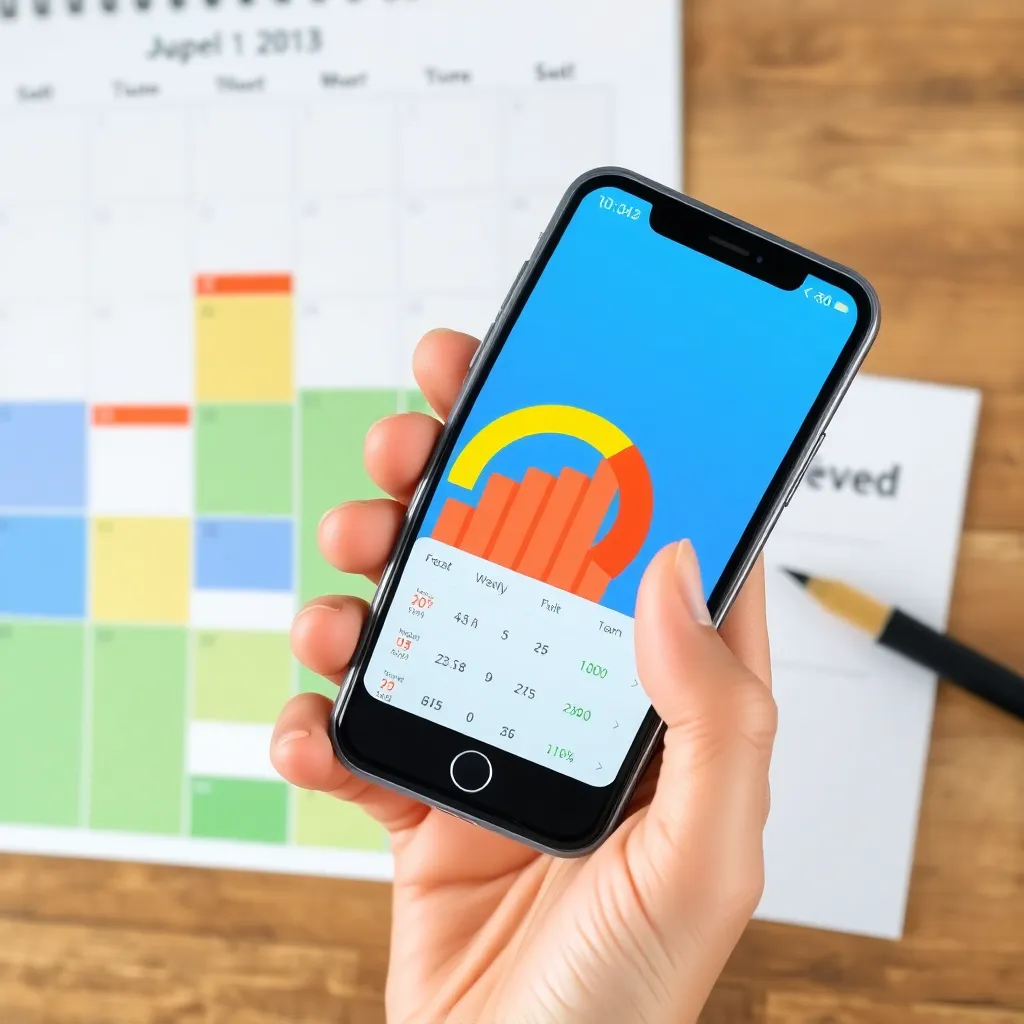
Finally, review and adjust your budget regularly. Life changes, and so should your budget. Weekly check-ins and monthly evaluations help maintain momentum and ensure you stay on track. Over time, these mindful habits reduce financial stress and build confidence in managing your money effectively.